A reason to get dressed
When someone is coming, the day has shape. We bring rhythm, conversation, and small reasons to keep up appearances.
The earliest, most transformative care we offer. Often the only kind a family needs.
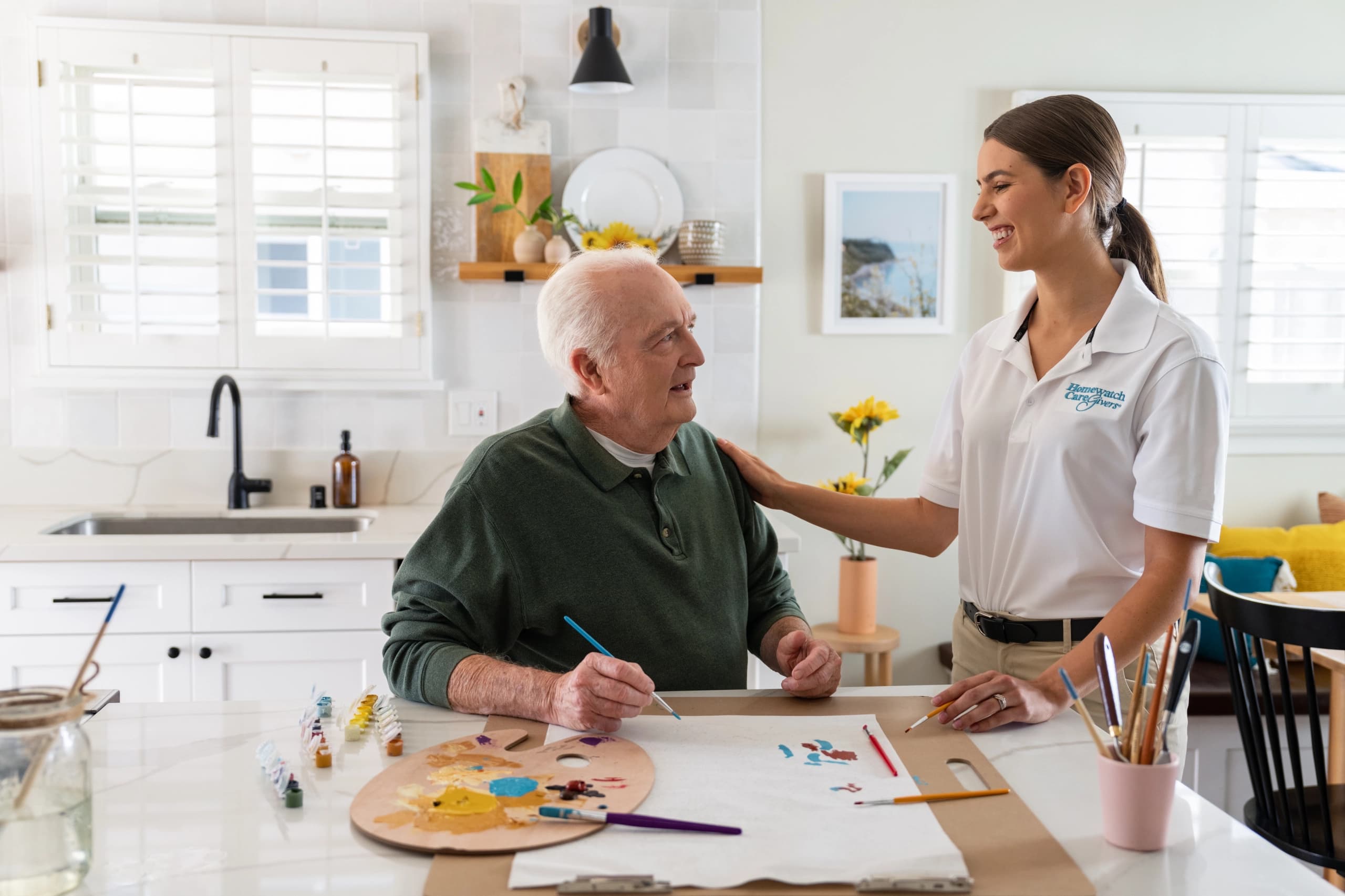
Companion care in Houston, from a caregiver who becomes the trusted face at the kitchen table. Social isolation in older adults raises the risk of dementia by about 50% and is linked to a 26% higher risk of early death, so a consistent companion is not a luxury. Typical rate in Houston in 2026 is $30–$40 per hour, and long-term care insurance often covers it once an ADL trigger is met.
 10+ years caregiver experience, on average
If you're reading this, you may have already noticed Mom or Dad is spending too many days alone.
You don't have to commit to anything yet. Most families start with a few hours a week of companion care and watch it change everything. When you call, you'll speak with a nurse, not a salesperson.
When someone is coming, the day has shape. We bring rhythm, conversation, and small reasons to keep up appearances.
Eating together is medicine. We cook, plate, sit, and share, which changes nutrition, appetite, and mood.
Doctor visits, grocery runs, church, hair appointments, lunch with friends, we drive, we accompany, we bring the world back in.
Every family is assigned a dedicated care manager who stays involved as needs change. Two of our three care managers are former Neuro ICU nurses from Houston Methodist.

“What gets noticed at home keeps you out of the hospital.”

“A care plan is a promise. My job is making sure we keep it every day.”

“No family should have to navigate this alone.”
Every client is assigned a named care manager, not a rotating coordinator. See our full team →
Companion care doesn't replace family. It supports it, by giving someone a consistent, trusted presence during the hours family can't be there.
Conversation, meals, walks, errands, light housekeeping, meaningful activity and the kind of presence that protects mental health.
Our caregivers notice the changes families miss across visits, sleep, appetite, mood, balance, and flag them to the family and care manager.
When a need shows up that companion care doesn't cover, our care managers help you step up the plan smoothly, not start over with another agency.
Social isolation in older adults raises dementia risk by 50% and depression by even more. We treat companion care as the medicine it actually is.
Social isolation accelerates cognitive decline and depression. Companionship isn't a luxury, it's preventative care.
We hire caregivers who can listen, ask, remember, and come back to the same stories tomorrow. Not just supervisors.
Companion care moves at the client's pace, not the agency's. Two hours can change the whole week.
A coffee, a library visit, a church service, a walk, these are the day's anchors. We protect them.
Companion care isn't watching television together for two hours. Done well, it's the most engaging service we provide.
Genuine interest in their stories, families, and decades. The opposite of small talk.
Cooked to preference, served properly, eaten across the table, not over a counter.
Doctor, pharmacy, grocery, church, salon, lunch dates. We drive and we stay.
Laundry, dishes, tidying, the small organising that keeps the home dignified.
Gentle, on-schedule reminders without the medical formality of a nurse's visit.
Cards, puzzles, gardening, reading aloud, hand-written letters, walks in the neighbourhood.
Bills opened together, letters written, the paperwork life still requires.
Video calls with grandchildren, photo apps, audiobooks, staying connected to the world.
Dinner, a meaningful conversation, a quiet wind-down, not television until midnight.
Updates and texts so family across the country knows how Mom's day went.
Without making it feel medical, walks, transfers, and stairs handled with steady eyes.
Wives, husbands, and adult children get a few hours to be themselves.
The hardest part is rarely the care. It's the conversation. These approaches often turn a 'no' into a 'maybe Tuesday.'
Companion care lives or dies on whether your loved one actually wants their companion around. The match is everything.
We talk about personality, hobbies, history, the routine they want to keep, not a checklist.
Not a 'caregiver pool.' One specific match, with their bio, before the first visit.
First visits are short. If the match isn't right, we say so and try again.
Companion care often becomes more, personal care, post-op, dementia, and we keep the same trusted face through the change.
We needed sudden in home care for my father after he took a sudden decline - I received HomeWatch Caregivers from a colleague and they were amazing- Andrew came to do an introductory visit and assessment and his thoughts were spot on- he could see what we needed and put a plan into motion extremely quickly- we had 24/7 caregiving in place with experienced caregivers within a day. The group of caregivers were amazing. I would recommend them to anyone
My family is incredibly grateful for the outstanding care and support provided by our at-home care manager, Kim Pierce, and our at-home caretaker(s), Mariah, Marisol and Tish, for my 100-year-old grandfather! From day one, they have shown genuine compassion, patience, professionalism, and attention to every detail of his needs. Managing care for a loved one at this stage in life can be overwhelming, but they have made the entire process smooth and reassuring for our family. They consistently go above and beyond to ensure my grandfather has been comfortable, respected, and well cared for. Their communication is excellent, and they treat him with kindness and dignity at all times. It is rare to find a care team so dedicated and trustworthy. Our family truly appreciates everything they have done, and we highly recommend Kim and her team of nursing aids at Homewatch CareGivers of Houston Galleria to anyone looking for exceptional home care support.
After my husband had two emergency surgeries in a week, I was extremely concerned about what would happen when he came home, because when he was given discharge instructions we each heard something different even though we were both right there. We did not agree on what was said or on the importance of actually doing it. He also made it clear that he did not want me to tell him what to do. Kimberly Pierce, our care manager, was a gift from God. She was a neurology ICU nurse for 16 years, and was able to explain what needed to be done and exactly why it was important and necessary. When I thanked her for helping us both understand and get on the same page instead of arguing and becoming upset, she joked that saving marriages was all just part of her job.
I got excellent and immediate assistance at home around the clock from Homewatch after I had surgeries at Methodist Hospital. On short notice, they sent a representative to the hospital to assess my needs, drove us to our home when I was released from the hospital, and then healthcare workers worked shifts for several days to provide home assistance until I was better. Excellent service and responsiveness all around.
I wanted to add some comments about the very caring caregivers from Homewatch Randy, Loretta, Rocio, and Victoria, went over and above to make my father in law feel comfortable in his last days. They were a blessing to our family and I highly recommend them DRU
10/10 experience! The staff is truly kind and helpful, especially Mariana! They truly care about their clients and caregivers! Everyone is well taken care of!! Great place to work for and to hire for care for loved ones!
We are very grateful fot having the support and help we needed to navigate a difficult time. The people sent to our home were very helpful, kind and committed. Loretta and Vincent, top notch. Great -and trustworthy service should you need home care and assistance
As a caregiver, I value environments built on compassion, structure, and respect, and HWCG Houston Galleria consistently delivers on all three. Leadership fosters excellence while making sure both clients and staffs feel supported. It's a well-managed agency dedicated to dependable, dignified care. 10/10
Home Watch did a great job of finding someone to help us out. I'm very short notice. Ronda was great and we would highly recommend her and Home Watch to anyone.
Thank you so very much for everything Chandeep You are the best
My firm and my team have had a great experience collaborating with the Homewatch team.. As an Aging Life Care firm, I am intentional about who we partner with, and they've proven to be an excellent extension of our firm with the care they provide. Their team leadership and in office team specifically Chandeep, worked closely with one of our client's after a hospital discharge to coordinate care, secure the right caregiver, and ensure a smooth transition home, providing real peace of mind for a family caring from a distance. Responsive, professional, and proactive. We truly value this collaboration. Thank you, Homewatch Houston team! Special shout out to Miranda who is the wonderful caregiver helping out mutual client! Lina CEO Mir Care Consultants, Inc.
10/10! Very friendly staff and great location. These guys are really professional and love what they do. Highly recommend
They were prompt and efficient and sent me a caregiver who worked out very well. She helped with household chores and with my husbands care and exercise. Highly recommend
The staff was so patient in finding the right fit for us, in particular Chandeep Sharma, who assisted in finally finding the right caregiver for our situation. Thank you also to Andrew and finally to Margie, the caregiver. I would highly recommend Homewatch Caregivers.
Chandeep is an absolute delight to work with! She truly cares about her clients and works to ensure the best match between caregiver and client needs. She responds to requests promptly and has excellent follow through.
Reached out on a Sunday afternoon for some in facility assistance for my MIL who is recovering from a hip fracture. The response was almost immediate and they were able to accommodate our request. The best part, Mom is happy and attended to.
Company is a good place to work to help clients in need
Homewatch has been incredibly supportive in caring for my aging parents. The entire team is friendly, professional, and very knowledgeable. Our Care Manager/Family Liaison, Chandeep, is always responsive and easy to reach by phone, text, or email at any time of day. Homewatch has consistently provided compassionate, trustworthy, and dependable caregivers for both of my parents. I highly recommend their services to anyone seeking quality care for themselves or a loved one.
The Holstead family are big fans of Homewatch. They have been wonderful caregivers and as professional as they come. It has been a true blessing in our lives to know our loved one is cared for and safe. We highly recommend them.
They are very professional people, take care people with lot needs, socks....
Chandeep Sharma is the best home care manager I have ever worked with. She helped me with my wife. To me, she focused on personal care as opposed to a generic general care. I felt my wife was in the best of hands. She also exudes a happy positive attitude. That kind of attitude support is very important for the patient and the family.
HomeWatch CareGivers of Houston Galleria has been caring for my parents for over a month now. They have provided staff 7 days a week and give our family peace of mind that they are being cared for and supported. They are professional and very easy to work with. The in home assessment gave everyone the right place to start from and they continue to be an integral part of our care plan.
I can honestly say this company has been a blessing to me. From the very first day, the caregivers have treated me with kindness, patience, and genuine compassion. They take the time to really get to know their clients, and it shows in the way they care, it never feels rushed or routine. The staff is dependable, professional, and always willing to go the extra mile to make sure everything is done right. They communicate well, keep me updated, and give me complete peace of mind knowing my health is in good hands. It's rare to find a caregiving company that truly feels like family, but this one does. I'm so thankful for everything they do and would recommend them to anyone who wants care that truly comes from the heart. Thank you Homewatch Caregivers of Houston Galleria
The staff provided exceptional care with genuine compassion and patience. They treated my family member like their own, and that gave us such peace of mind. Every nurse and caregiver was reliable, skilled, and respectful. This company truly makes a difference in people's lives!
Homewatch CareGivers are professional and caring. They take wonderful care of everyone. I felt so comfortable leaving my loved one in their care! I highly recommend them to help take care of your family members!! Thank you for allowing me peace of mind to leave town and know my family was being taken care of.
I am currently being visited by an assistant named Maria who is with HomeWatch CareGivers of Houston Galleria. Maria not only provides companionship but a level of expertise in her care. She is an excellent representative of this company. I've met and visited with the companies leaders. They are all wonderful representatives of the kind of care team one looks for. I have personally visited with Andrew on several occasions and he is quite proficient in knowledge of the duties of an excellent caregiver/owner. Also after first meeting with the owner and the other members of this company I was convinced this was the company who could provide the compassionate caring service I was looking for Excellence is their standard. I would not choose any other company with lessor qualities. I deem them the best here in the Houston area. Very happy to have this opportunity to share my thoughts on a remarkable care service! J Buongiorno
Shauna has been a perfect fit for my wife after her knee replacement. Homewatch found the right caretaker and she has bonded well with my wife during her rehab process. I would recommend Andrew and his company to anyone who needs home care for a family member or friend.
These guys truly go above and beyond. Andrew and I share a mutual patient. Unfortunately Andrew had to call 911 when he went to visit. Not only did he go to the hospital with him, but he stayed for several hours to make sure he was stable, checked on him multiple times in the hospital and helped coordinate his discharge. I can't say enough about how much he cares about his families.
As a client, a business owner, and a dear friend, I can attest to the professionalism, extraordinary level of service and care, and the conviction of the heart of this organization led by Serhat and Andrew. Compassionate care is the cornerstone of their business. If you are looking for a home healthcare provider and or a career home in home healthcare, look no further. No one delivers like Homewatch CareGivers of Houston Galleria. Period.
You all are "knocking it out of the ball park!" My clients adore you, as do their adult children! The relationship you built and your attention to detail have made such a wonderful impression. Thank you for going ABOVE and BEYOND for your clients! It is so evident that you and your staff truly care and want the very best for clients and families! Bless you for caring so well for others! I know you all will continue with your excellence in every way.
TL;DR - Years of consistent, compassionate care for our aging parents, the Directors are trusted partners, we have a fantastic team of Caregivers, excellent communications and follow through. They're worth every dollar. Homewatch has been fantastic for our family! We've been working with HWCG for over three years and I don't know now how we would have taken care of our aging parents without them. Homewatch has consistently provided fantastic Caregivers who have handled dementia and geriatric needs with compassion and excellence. We've never had a gap in coverage for 24x7 care, even though storms and holidays. The Caregivers genuinely care for our parents, and they have raised health concerns proactively. I'd gladly recommend HWCG to our friends and family.
Homewatch CareGivers has provided full time care for me and my husband for about 3 years. They are dependable and take good care of us. The caregivers are lovely and caring people. They are just what we need.
We want to express our deepest appreciation for the exceptional care and compassion you and your team recently provided to our mom. Your support during this difficult time was priceless. Homewatch went over and above to accommodate our needs (even through the snow storm) to ensure our mom was taken care of and she was comfortable and safe. We 100% recommend Homewatch to anyone looking for a company to care for a loved one.
I am extremely impressed with not only the high level of customer care but also the love and care my mother-in-law received from the caregiver, Ebony. We highly recommend Homewatch CareGivers. If you are looking to take a breath and know your person is being loved and cared for at the highest level, please call Homewatch CareGivers.
Homewatch provided care for my wife while she was at MH Hospital and MH TIRR in Houston. Homewatch provided an incredible level of service, they went above and beyond to help us and we are very grateful. The caregiver Monique was amazing too!
Honest answers to the things that keep families up at night.
Houston companion care typically runs $30–$40 per hour in 2026, depending on schedule and complexity. Most families start with 8–16 hours a week (2–4 visits), which is roughly $250–$650 a week. Long-term care insurance covers companion-care hours once an ADL trigger is met, and we bill the carrier directly so families never front the cost. We give you a written, itemised quote after the free in-home consultation, no obligation.
Home health (Medicare-funded) is short-term and skilled, wound care, therapy, nursing visits. Companion care is daily life support: meals, errands, conversation, light housekeeping.
Most families start with 8–16 hours a week, usually two to four visits. It's enough to change the rhythm of the week without overwhelming an older adult who's been independent.
Yes. Continuity is the whole point. We match for chemistry, and our caregivers stay, much lower turnover than the home-care industry average.
Yes. Companion caregivers transport for doctor visits, errands, social outings, and chaperone where needed. Our caregivers are W-2 employees with verified driving and clean MVRs.
We can. Companion overnights, for someone newly widowed, for example, are a common arrangement. Awake overnight, sleep overnight, and 24-hour live-in are all available.
Yes, in most cases. Most long-term care policies cover companion-care hours once an activity-of-daily-living trigger is met. We bill the carrier directly.
Our companion-care neighborhoods are River Oaks, Memorial, Tanglewood, West University, Bellaire, the Galleria, and Uptown, plus the wider Houston metro.
We intentionally serve a limited number of families so every companionship match gets a dedicated care manager and a real conversation, not a screening form. Many families find us through neighbours, physicians, attorneys, and adult children of clients we already serve.
Each neighborhood page shows exactly what companion care in houston looks like there — landmarks, hospitals we coordinate with, ZIP codes, and area-specific FAQs.
A 15-minute conversation. No pressure, no script, and no obligation. We’ll listen to what’s happening, help you understand your options, and tell you honestly what we’d recommend.
You’ve read this far because someone you love needs care. The next step is simple: a private conversation with a Care Manager, not a coordinator, not a sales line.
Reply within two hours. After hours, our care team, the same people who manage your plan, picks up.